Calculating Embroidery Pricing for NZ Embroidery Shops
Calculating embroidery pricing is one of the first challenges new business owners face when they enter the industry. We hear this concern all the time at Sewingtime. You want to be fair to your customers, but you also need to make a profit. It sounds simple enough. Yet, many people struggle to find the right balance between covering their costs and remaining competitive.
We want to help make pricing clearer for you. After decades of supplying Tajima equipment across New Zealand, we know the ins and outs of production. This guide explains how embroidery pricing works here, covers the main pricing models, and shows why quotes can differ between shops. By the end, you’ll know how to value your work or what to expect when paying for embroidery.
Understanding How Embroidery Pricing Works
Each shop has its own way of working, but most quotes are based on the same main factors. In New Zealand, businesses usually consider time, stitch count, and how complex the design is.
You might wonder why a small logo sometimes costs more than a large text design. The answer lies in the details. A dense logo requires more stitches. More stitches mean the machine runs for a longer time.
Why Time is Money
Time is your most valuable asset. If a job keeps your machine busy for an hour, you can’t work on other orders during that time. Smart shops include this opportunity cost in their pricing.
We always remind our clients that calculating embroidery pricing involves more than just materials. You must account for the operator’s wage. You also need to cover overheads like rent and power.
Material Costs
Thread and backing materials don’t cost much per piece, but the total adds up over many jobs. Good backing stops puckering and keeps garments looking professional, so it’s worth the investment. Many businesses include these costs in their per-item rates instead of listing them separately.
The Per-Stitch Pricing Model
Most professional shops use per-stitch pricing. This method gives a clear and straightforward way to set prices.
How It Works
You set a price for every 1,000 stitches. For example, a 5,000-stitch design costs half as much as a 10,000-stitch one. This approach is fair because it matches the actual machine use.
Calculating embroidery pricing this way requires good software. Most modern embroidery software can give you an exact stitch count before you sew a single thread.
Pros and Cons of Per-Stitch Pricing
-
Accuracy: You get paid exactly for the work the machine does.
-
Scalability: It is easy to adjust rates for larger orders.
-
Complexity: It might confuse customers who do not understand stitch counts.
If you use this model, it’s important to explain it to your clients. Show them why a solid block of colour costs more than a simple line drawing.
The Per-Item Pricing Model
Per-item pricing is popular for embroidery services pricing for uniforms in NZ. This approach keeps things simple for the customer. They see a single price for a polo shirt with a logo, and that is it.
Best Use Cases
We suggest using this model for bulk orders. For example, if a sports team needs 50 jackets with the same crest, per-item pricing is quicker to quote. You work out the average stitch count and setup time, then spread it across all the garments.
Why Shops Prefer This
-
Simplicity: The math is easy.
-
Speed: Quotes go out faster.
-
Budgeting: Clients know the total cost upfront without worrying about stitch density.
Calculating embroidery pricing per item works well when the designs are standardized. It removes the guesswork for schools and corporate clients.
The Per-Job Pricing Model
Some projects defy standard categories. Artistic pieces, one-off custom jackets, or complex mixed-media work often fall into this bucket. In these cases, a flat fee per job makes the most sense.
Handling Unique Requests
Imagine a customer brings in a vintage denim jacket. They want embroidery on the collar, cuffs, and back panel. This requires multiple hoopings. It takes time to line everything up perfectly. A per-stitch rate might not cover the labour involved in the setup.
When to Use Flat Rates
We suggest using this for high-risk or high-effort items. You account for the consultation time. You also factor in the risk of working on customer-supplied garments. Calculating embroidery pricing for these jobs is more art than science. You rely on your experience to estimate how much hassle the job will involve.
Set-up Fees and Digitising

Many customers do not realize that you cannot just upload a JPEG to an embroidery machine. The artwork must be digitised. This means an expert has to convert the image into a file that the machine can read.
The Cost of Digitising
Digitising is a skilled job. If it’s done poorly, the file can cause thread breaks or even damage the garment. That’s why most shops charge a setup fee, which covers the time spent making the production file.
Why Minimum Charges Exist
Setting up a machine for one shirt takes nearly as much time as setting it up for twenty. You need to load the file, thread the needles, and check the tension each time.
Shops apply minimum orders to cover this prep time. If you are calculating embroidery pricing for a single item, the setup cost might be higher than the embroidery itself. This is standard practice across the industry.
Comparing the Models: Which is Best?
The best pricing model depends on your business goals. Here’s a quick comparison to help you choose.
Per-Item vs. Per-Stitch
Understanding the difference between per-item vs per-stitch embroidery pricing models is key to profitability.
-
Per-Stitch: Protects your margins on dense designs. It is safer for the business but harder to explain.
-
Per-Item: Closes sales faster. It works best for high-volume, low-complexity orders.
Mixing Models
You don’t have to use only one method. Many successful New Zealand shops use a mix. They calculate costs per stitch for themselves, but give customers a per-item price. This keeps clients happy and helps the shop stay profitable.
Operational Factors That Increase Costs
There are hidden factors that can reduce your profit if you overlook them. Experienced operators know that machine speed is just one part of the equation.
Colour Changes
Each time the design changes colour, the machine slows down to trim the thread and switch needles before speeding up again. These small delays add up over a job.
A design with 15 colour changes takes significantly longer than a single-colour design of the same size. When calculating embroidery pricing, you should add a surcharge for high colour counts.
Thread Trims and Jumps
Too much trimming also slows things down. A well-digitised file keeps trims to a minimum, while a poor one makes the machine stop and start often. That’s why we recommend quality software like Tajima Pulse DG16. Good software plans the stitching path well and saves you time.
Hooping Time
The machine’s speed depends on how quickly you can hoop the garment. For tricky items like thick bags or caps, hooping takes longer and can be challenging. Be sure to include this extra labour in your quote.
How Stitch Count Affects Quality and Price
The number of stitches directly affects how the finished product looks, but more stitches aren’t always better.
The Density Problem
If you put too many stitches into a thin fabric, it will pucker. The fabric creates a hole around the design. If you put too few, the fabric shows through. Calculating embroidery pricing accurately requires you to find the "Goldilocks" zone. You want enough coverage to look premium, but not so much that it ruins the shirt.
Communicating Value
Share this with your customers. Let them know that a higher price usually means better stitch density and coverage. You’re offering a durable, long-lasting finish, while cheap embroidery can look thin and wear out quickly.
Market Rates in New Zealand
New Zealand has its own market conditions. Our rent, labour, and shipping costs are different from other countries. You can’t just copy prices from a US website.
What to Expect
The average cost for logo embroidery on shirts in NZ varies by region. Generally, cities with higher rents will see higher service charges. However, rural shops might have higher shipping costs for materials.
We recommend checking what your local competitors charge. Don’t lower your prices just to win jobs, as this can start a race to the bottom. Instead, focus on offering great service and fast turnaround times.
The Role of "Rush" Fees
If a customer needs an order finished by Friday, it often means working overtime. Many shops charge a rush fee of 20% to 50% for urgent jobs. This helps you prioritise urgent work without disrupting your schedule.
Tools That Make Pricing Easier

Having the right tools helps you work efficiently. This lets you keep your prices competitive and still make a good profit.
Software Solutions
Modern embroidery software is your best friend for calculating embroidery pricing. It gives you the exact stitch count. It even estimates the run time based on your machine’s speed. This removes the guesswork.
The Right Hardware
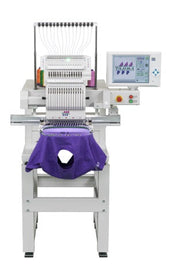
Using reliable embroidery machines changes the game. A machine that breaks threads constantly costs you money. A Tajima machine is built for endurance. It runs smoothly, which means your time estimates are accurate.
Essential Accessories
Do not overlook embroidery accessories. Using the correct needles, bobbins, and hoops speeds up your workflow.
-
Magnetic Hoops: Specific hoops can reduce hooping time drastically.
-
Tension Gauges: Proper tension prevents thread breaks.
We carry these items because they help you run your business more efficiently and profitably.
Transparency Builds Trust
Customers value honesty. When you explain your pricing, they feel respected and understand they’re paying for skilled work and professional equipment.
Breakdown Your Quotes
Try breaking down your invoices. List the garment cost, branding cost, and setup fee separately. This transparency shows clients where their money goes and can help prevent haggling over the total price.
Educating the Customer
Use your website or counter space to explain the process. A simple chart showing "Stitch Count vs. Price" works wonders. When calculating embroidery pricing becomes a visible process, customers trust the outcome.
Common Mistakes to Avoid
We’ve seen many businesses struggle with pricing. Here are some common mistakes to avoid.
Ignoring Overheads
Don’t just charge for thread and time. Be sure to include part of your rent, electricity, and software costs in every job. If you skip this, you could end up busy but not making money.
Underestimating Small Jobs
Small jobs can take more admin time than large ones. You still need to email the client, send an invoice, and pack the order. Make sure your minimum charge covers this extra work.
Forgetting Spoilage
Mistakes happen. Sometimes a machine ruins a shirt, or a needle makes a hole. Add a small buffer to your pricing to cover the cost of replacing damaged garments.
Final Thoughts on Embroidery Pricing Strategy
Pricing isn’t something you set and leave. Review your rates every year. Costs change, material prices go up and down, and your skills improve. Your prices should reflect these changes.
Calculating embroidery pricing is a skill you refine over time. Start with a formula. Adjust it based on your actual production times. Listen to feedback from your clients.
We’re here to help. Whether you want to upgrade your machine for higher volumes or need advice on the best estimating software, our team at Sewingtime is ready to support you. By setting fair, accurate prices, you help the New Zealand embroidery industry grow and stay healthy.
Correctly calculating embroidery pricing ensures you stay in business for the long haul, delivering quality work that New Zealanders are proud to wear.