Embroidery Machines in NZ: Choosing Between Single and Multi-Head
Choosing new equipment is a major commitment for any business owner looking for embroidery machines in NZ. At Sewingtime, we help people weigh up this decision every week. You might be running a startup from a spare room or managing a busy factory floor. The core question remains the same. Should you stick with a flexible single-head machine, or is it time to invest in a powerful multi-head system?
The answer depends on more than just your budget. It really comes down to how your business operates day-to-day. We have supplied embroidery machines in NZ for decades, so we know that the right model smooths out production. On the flip side, the wrong choice can create bottlenecks. This guide helps you look at your options based on your real-world needs.
Understanding the Difference Between Single-Head and Multi-Head Machines
The main difference is pretty straightforward. A single-head machine acts like a specialist, sewing one garment at a time. A multi-head machine is a volume driver, stitching the same design onto several garments simultaneously. Both are popular choices for those comparing embroidery machines in NZ, but they serve very different roles.
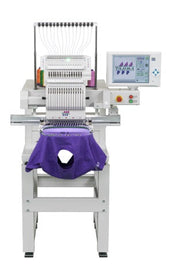
Think of a single-head machine as your agile option. It’s quick to set up and lets you switch from caps to bags in minutes. Multi-head machines, however, are built for repetition. Whether you have four, six, or eight heads, these units thrive when the design stays the same across hundreds of items.
When a Single-Head Machine Makes Sense
Don't assume single-head machines are only for beginners. We work with commercial shops that use these embroidery machines in NZ alongside their big production lines because they offer unmatched versatility.
Ideal for Customisation
If you are looking for the best commercial embroidery machine for startups in NZ, a single-head model is often the top contender. If your business focuses on personalised names or samples, this machine is your best friend. You wouldn't want to tie up an eight-head machine just to stitch one name on a jacket. That wastes your production capacity.
Flexibility is Key
Single-head models allow you to say "yes" to walk-in customers or last-minute requests. You can rush a single urgent order through without disrupting a large batch. This agility is why so many operators of embroidery machines in NZ keep at least one single-head unit on the floor.
Lower Risk for New Designs
It’s also safer for testing. When you run a new digitised file, you want to watch it closely. Doing this on a single head saves thread and material. If there is a mistake in the file, you only ruin one piece of fabric rather than six.
When a Multi-Head Machine Is Worth It
A multi-head machine changes the math of your business. It allows you to accept jobs that would be impossible to finish on time with smaller embroidery machines in NZ.
Handling Bulk Orders
Corporate uniforms, sports team kits, and promotional merchandise usually come in large numbers. If a client orders 500 polos with a left-chest logo, a single-head machine will struggle to keep up. You need to consider the benefits of multi-head embroidery machines for bulk orders to meet these demands efficiently. A multi-head machine gets through that pile in a fraction of the time.
Consistency Across the Batch
When you run a job on a multi-head machine, every garment gets stitched under the same conditions. The speed, tension, and timing are identical. This creates a uniform look across the entire order. This consistency is vital for maintaining a reputation for quality embroidery machines in NZ markets.
Efficiency for the Operator
It takes roughly the same amount of time to load a design and thread the needles for one head as it does for four. With a multi-head, you get much more output for that setup time. Your operator spends less time staring at a screen and more time producing revenue.
You can boost this efficiency even further with Tajima Pulse DG16 software. This allows you to send designs directly from your computer to your embroidery machines in NZ via a network. This skips the need for manual file transfers and keeps your operator focused on the garments.
Order Size and Production Planning
To pick the right machine, take a close look at your sales history. What does an average week look like for you?
The "High-Mix, Low-Volume" Shop
If you do ten different jobs a day, but each job is only five items, a multi-head might sit idle too often. You end up spending more time setting up than sewing. In this scenario, running two single-head embroidery machines in NZ workshops might actually serve you better than one dual-head.
The "Low-Mix, High-Volume" Shop
On the other hand, if you do two jobs a day, but each job is 50 items, you need a multi-head. Your goal is to keep the needles moving. Successful users of embroidery machines in NZ know that production relies on continuous stitching. A multi-head machine eats through stacks of garments so you can ship orders faster.
Turnaround Times and Scheduling

Speed matters to your customers. They often leave ordering until the last minute, so the machine you choose affects how fast you can turn those orders around.
Meeting Tight Deadlines
Imagine a client needs 20 shirts by tomorrow. On a single-head machine, that is a long afternoon of swapping hoops. On a four-head machine, that is just five runs. This speed is why many businesses upgrading their embroidery machines in NZ choose multi-head options.
Managing Workflow Bottlenecks
However, you should also consider the risk. If a single-head machine breaks down, you only lose one production line. If a multi-head machine has a mechanical issue, you might lose your entire production capacity until it’s fixed. Some of our clients prefer having multiple single-head embroidery machines in NZ to spread this risk.
Staffing and Skill Considerations
The machine does the stitching, but a human does the work. Your team’s skill level plays a big role in this decision.
Single-Head Simplicity
Single-head machines are generally easier to manage. An operator can focus on one hoop and one garment at a time. It is a lower-stress environment. This makes them the most accessible embroidery machines in NZ for training new staff.
Multi-Head Complexity
Running a multi-head machine requires a sharper eye. The operator must watch all heads at once. If a thread breaks on Head 3, the whole machine usually stops. The operator needs to fix it quickly to get all heads running again. You also need to be efficient at hooping. Fast embroidery machines in NZ finish runs quickly and need fresh garments immediately.
Floor Space and Setup Planning
Space is often the biggest constraint for Kiwi businesses. Rent is expensive, and workshops can get crowded quickly.
The Footprint Factor
A single-head machine takes up very little room. You can push it into a corner or line up several against a wall. They are easy to move if you reorganise your space. This compact size makes them popular embroidery machines in NZ home studios.
A multi-head machine, however, is heavy and wide. You need access to the back for maintenance and space around the front for the operator.
Assessing Your Workflow
Don't just measure the machine dimensions. Measure the workflow. Where will the boxes of blank shirts sit? Where will the finished shirts go? A multi-head machine processes a lot of stock. You need room to stage that stock nearby. Proper layout is key to getting the most out of large embroidery machines in NZ.
Balancing Cost and Efficiency

Price is always a factor, but you must look at the return on investment rather than just the purchase price.
Initial Investment vs. Output
A single-head machine is cheaper to buy, making it a great entry point. But if you try to produce 1,000 items a month on it, your labour costs will skyrocket. You are paying staff to stand there for longer hours. This is a common trap when buying embroidery machines in NZ.
Cost Per Stitch
A multi-head machine costs more upfront, but it lowers your cost per stitch. Because you produce more units per hour, the labour cost for each shirt drops. Over a year, this efficiency often pays for the machine. At Sewingtime, we can help you run these numbers to compare different embroidery machines in NZ.
Matching the Machine to Your Business Goals
Finally, think about where you want to be in two years. Are you chasing big contract work, or do you want to be the premium boutique for custom one-offs?
The Specialist Path
If your goal is high margins and unique work, stick with single-head machines. You can charge more for custom work. These are the preferred embroidery machines in NZ for shops that offer high-end care and attention.
The Production Path
If your goal is volume and big contracts, you simply must move to multi-head. You cannot compete on price with big shops if you are using slow equipment. A multi-head machine signals that you are ready for serious business.
The Hybrid Approach
Many of our most successful customers actually do both. They have a bank of multi-head machines for the "bread and butter" work. Then, they keep one or two single-head Tajima embroidery machines in NZ for samples and rush jobs.
We Are Here to Guide You
There is no single right answer. Knowing how to choose the right Tajima machine for your business depends on your current needs and future growth. Whether you need the agility of a single-head setup or the power of a multi-head, we have the experience to help you decide.
We invite you to visit our showrooms. Bring your typical jobs, see the machines running side-by-side, and talk to us about your challenges. We are proud to supply the best embroidery machines in NZ and help you build a setup that works as hard as you do.