Walking Foot Sewing Machine & Accessories NZ

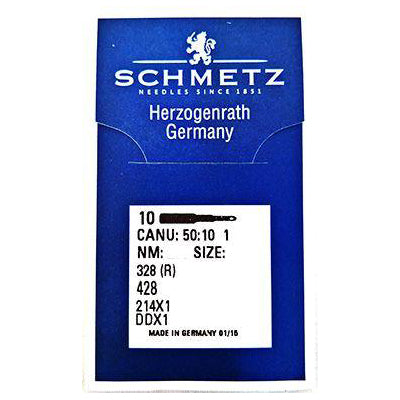
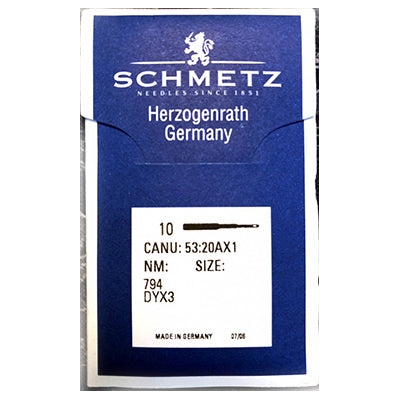
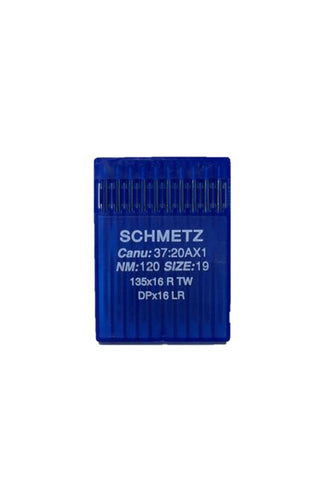
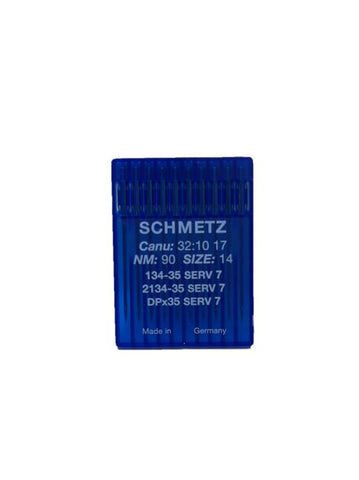
A sewing needle is what a paintbrush is to an artist. The contact point putting thread to fabric to create hems, appliques, embroidery and more. Although most sewing machine needles should be compatible with most sewing machines, not all needles are the same. Choosing a good quality and appropriate needle for the job can make tasks easier and help you to achieve what you set out to.

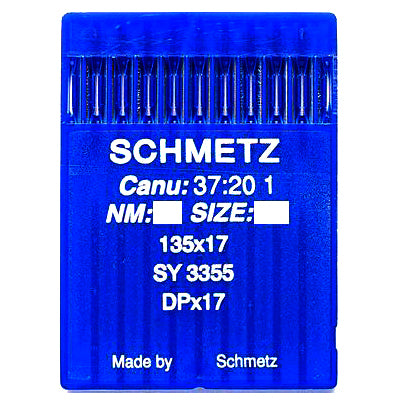
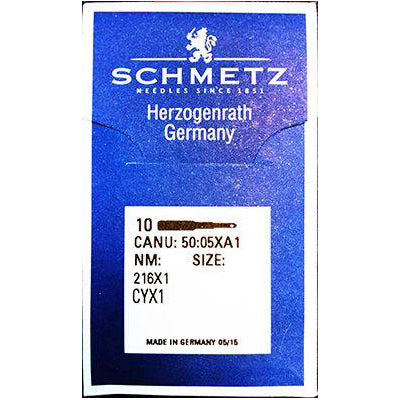
Using the right needle is paramount to your sewing. Industrial sewing machines need specific needle types and there are different shapes and sizes suited to different fabrics and stitching styles. The System Number is dependent on the thread you use, so make sure the SN matches your current packet.

If you need a little extra support choosing the correct sewing machine needles for your machine, read our helpful guide. Contact us today to find out more about our products and get the personalised assistance you require when buying any products from Sewingtime.

Categories of Sewing Needles


Do sewing machine needles fit all machines?

Yes, in theory, all sewing machine needles should be compatible with all sewing machines. However, on odd occasions, there are certain brands that require specific needles for optimal performance. This is something you can discuss with our team if you are at all unsure.


How do I know what sewing machine needle to use?

Needles come in different shapes and sizes suited to various types of fabrics and stitching. Three things you need to consider are the needle type, the needle point and the needle size.

• Needle type: Different types are suited to different fabrics and uses, for example, leather needles are for working with leather.

• Needle point: The point is the sharp tip of the needle that penetrates fabrics. These vary in shape which influences how the needle works.

• Needle size: The size refers to the diameter of the shaft of the needle in imperial and metric. You should base your decision depending on the type of fabric you are using and the weight of the fabric. Refer to products for sizing information.


What do the colours on sewing machine needles mean?

Some sewing machine needles have two bands of colours. The top band indicates the needle type and the bottom one indicates the size. This is useful for being able to quickly decipher needles in a messy storage system.


What size needle do you use for cotton?

Cotton can vary in types of fabric and weight, but generally speaking, a sharp, light, needle is best for sewing cotton. However, it really depends on what you are looking to achieve.
Canvas, vinyl, and stacked upholstery fabric slip and pucker under a standard presser foot. A walking foot sewing machine fixes that with a second set of feed dogs that grip the top layer, so it moves through with the bottom layer instead of ahead of it.

We stock walking foot machines from Juki and Typical, built for upholsterers, sailmakers, and bag manufacturers who sew heavy, layered fabric daily. Shop the range below! 

Built for Fabric Standard Machines Can’t Handle

A walking foot machine solves a problem that stops a lot of sewing jobs in their tracks: fabric that shifts, bunches, or feeds unevenly under the needle. Canvas creeps. Vinyl sticks. Stacked upholstery layers pucker instead of lying flat.

A walking foot, also called an even feed or compound feed foot, replaces a standard presser foot with one that has its own feed mechanism. As the needle drops, the walking foot's feed dogs grip the top of the fabric and pull it through at the same pace as the machine's lower feed dogs.

The result is even stitches, no shifting, and fabric that comes out the other side looking the way you sewed it in.

That's why we're selective about which walking foot machines we stock. Every model in our range runs on a genuine compound feed system built into the machine, not a bolted-on attachment, so it holds up to daily commercial use rather than occasional projects.

We're proud to stock Juki and Typical walking foot sewing machines in NZ, brands known for holding up under continuous, heavy use. 

Not sure what you need? Call us on 0800 541 691 or visit our Auckland or Christchurch showroom, and we'll guide you.

Who Are Our Walking Foot Sewing Machines For?

Our walking foot range suits commercial fabricators who sew thick or slippery material at volume: upholsterers, sailmakers, bag and case manufacturers, and marine or awning businesses that need a clean, consistent seam on every job.

Home-based sewists and small crafters rely on walking foot machines too, particularly for quilting, leatherwork, and garment work involving denim or coated fabrics.

Whether you're running a production line or working out of a home workshop, Sewingtime can match you to a machine that fits your workload, not just your budget.

What You Can Sew with a Walking Foot Machine

Walking foot machines handle the fabrics that give standard machines trouble, including:

  • Upholstery fabric, vinyl, and foam-backed material
  • Canvas, tarpaulin, and sailcloth
  • Marine and outdoor fabric for boat covers and awnings
  • Leather and heavy synthetic leather
  • Denim and multiple layers of garment fabric
  • Quilt tops, batting, and backing

If your project involves several layers, a slippery top fabric, or material heavy enough to bog down a domestic machine, a walking foot is usually the fix. It's also worth having for pattern-matching work like plaids and stripes, since the even feed keeps both layers tracking at the same rate right across the seam.

Buy Your Walking Foot Sewing Machine from Sewingtime

We operate nationwide in New Zealand, so wherever you're based, you have access to the same specialist knowledge, genuine parts, and technical support that our customers have relied on for years. To find the best walking foot sewing machine in NZ for your work, contact Sewingtime, and we'll help you get it right the first time.

Call us on 0800 541 691 or visit our showroom in Auckland or Christchurch.

Frequently Asked Questions

What’s the difference between a walking foot and a normal presser foot?

A normal presser foot only holds fabric in place while the machine's lower feed dogs do the moving. A walking foot adds its own feed dogs on top, so the top and bottom layers move together instead of the top one dragging or bunching.

Do I need a walking foot machine, or will an attachment do?

A walking foot attachment can work on a domestic machine for occasional projects. But if you're sewing thick or slippery fabric daily, a dedicated walking foot machine, built with compound feed as standard, handles the workload far better and won't wear out under commercial use.

Can a walking foot machine sew leather?

Yes. They are a common choice for leather and heavy synthetic leather, since the even feed stops the material slipping or stretching under the needle. Pair it with the right needle and thread for the leather weight you're working with.

What's the best walking foot machine brand available in NZ? 

Juki is widely regarded as one of the most reliable brands in New Zealand, known for holding up under continuous commercial use. Typical is a strong option too, particularly for workshops after solid performance at a more accessible price point.

Can I get my walking foot machine serviced after I buy it? 

Yes, Sewingtime has qualified technicians who service and repair walking foot machines. Buying from a specialist means you're not on your own once the machine's out of the box. We're always happy to provide support to keep it running smoothly.